
Health advice is easy to give.
What’s harder is deciding what you’re willing to take yourself — day after day — when your own performance, recovery, and long-term health are on the line.
The experts featured below don’t just study nutrition or train clients.
They review lab work, track outcomes, manage injuries, and see firsthand what works — and what quietly fails — over years, not weeks.
These are the supplements they personally use in their own routines.
Whey Isolate Protein
I’m National Head Coach at Legends Boxing, and I’ve worked with everyone from executives to everyday people trying to reverse pre-diabetes through training.
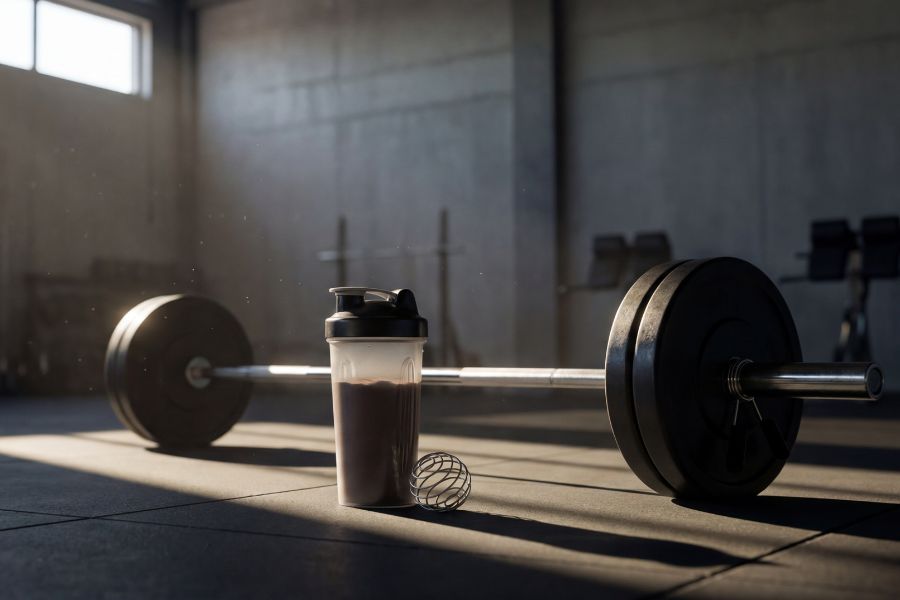
The one supplement I personally take is whey isolate protein at 40g within 30 minutes post-workout.
When I was training for my first amateur fight while also building our nationwide coaching program, I learned the hard way that cardio-heavy training like boxing absolutely destroys your muscles if you’re not feeding them properly.
I was losing weight but also losing the functional strength I needed in the ring.
One of our members, who’s a lab director, lost 50 pounds but hit a wall until he started hitting 0.8–1g protein per pound of body weight.
Suddenly, his recovery improved, and he could train consistently without feeling depleted.
I use Optimum Nutrition Gold Standard because it mixes fast between coaching sessions and doesn’t sit heavy in my stomach before sparring.
Boxing is different from bodybuilding—you need muscle recovery without the bulk that slows you down.
Since dialing in that 40g post-workout window, my shoulders stopped aching between training sessions.
I could actually show up six days a week without feeling like I was breaking down.
The supplement industry loves to overcomplicate things, but protein is the one non-negotiable if you’re doing any serious physical training.
Your muscles are literally made of it.
Robby Welch, National Head Coach, Legends Boxing
Creatine

If you have to choose just one, always go for creatine.
It helps with strength, performance, and overall body composition.
I used to take the “standard” 5 grams a day, but a more efficient way to take it is based on body weight—0.1 g per kilogram per day.
Creatine helps your muscles produce quick energy during training.
That lets you push a bit harder, recover better between sets, and slowly build more lean mass over time.
More muscle isn’t just for how you look.
It also supports metabolism, long-term function, and healthy aging.
Julio Baute, Medical Doctor, Invigor Medical
Deer Antler Velvet

One supplement I personally take is deer antler velvet.
I value it for its unique profile of naturally occurring growth factors, amino acids, and minerals.
These support recovery, connective tissue health, and overall vitality.
From a performance and longevity standpoint, it has been especially helpful for supporting joint comfort and post-exercise recovery as training demands increase with age.
My advice to anyone considering deer antler velvet is to focus on sourcing and quality.
It should be properly harvested, processed, and tested to ensure consistency and purity.
Like any supplement, it works best as part of a broader foundation.
That includes smart training, adequate nutrition, and recovery—not as a shortcut or standalone solution.
Rick Lentini, Owner, Ph.D., Nutronics Labs
Omega-3 Fish Oil

I’ve been a certified personal trainer for 14+ years and lead the fitness team at Results Fitness in Alexandria, Virginia.
The one supplement I personally take is omega-3 fish oil—specifically Nordic Naturals Ultimate Omega—1000mg with breakfast every day.
As a Les Mills instructor teaching multiple high-impact formats each week, my joints take a beating.
Omega-3s have strong anti-inflammatory properties that help with recovery and joint health.
Within about six weeks of consistent use, my knee discomfort reduced noticeably.
I could teach back-to-back sessions without lingering soreness.
There’s also solid research showing omega-3s support cognitive function and mood regulation.
Mental clarity matters when you’re managing teams, programming classes, and staying high-energy all day.
I chose Nordic Naturals because it’s third-party tested and doesn’t leave a fishy aftertaste.
After nearly 30 years in group fitness, I’ve learned that the basics done consistently beat any trendy stack.
Jennifer Rapchak, Fitness Director, Results Fitness Gym
Vitamin D3

As a physician, one supplement I personally take is vitamin D3.
Deficiency is extremely common, even in otherwise healthy adults—especially those who spend most of their time indoors.
Adequate vitamin D supports bone health, muscle function, immune regulation, and neuromuscular performance.
I base its use on evidence showing high prevalence of suboptimal levels and clear benefit when correcting deficiency.
I periodically reassess the need and dosing rather than taking it blindly year-round.
Seyed Hassan Fakher, MD, Invigor Medical
Vitamin D3 + K2

The supplement I personally take daily is vitamin D3 paired with K2.
I use 5000 IU of D3 with 100 mcg of K2.
Working with women over 40, I tracked bone density alongside vitamin D levels.
Those maintaining levels above 50 ng/mL showed measurably better outcomes.
The K2 matters because it helps direct calcium into bones instead of soft tissue.
I use Garden of Life MyKind Organics D3 + K2 spray for faster absorption.
Joy Grout, Owner, Personalized Fitness For You
NAD+ Precursors

The supplement I take daily is NAD+ precursors.
NAD+ levels drop significantly with age, affecting cellular energy and recovery.
I noticed improved mental clarity within weeks and faster workout recovery.
In clinical practice, patients consistently report improved focus and stamina.
I inject 100mg weekly because absorption matters.
Dawn Dewane, Family Nurse Practitioner, Bliss Medical Spa and Wellness
Creatine Monohydrate
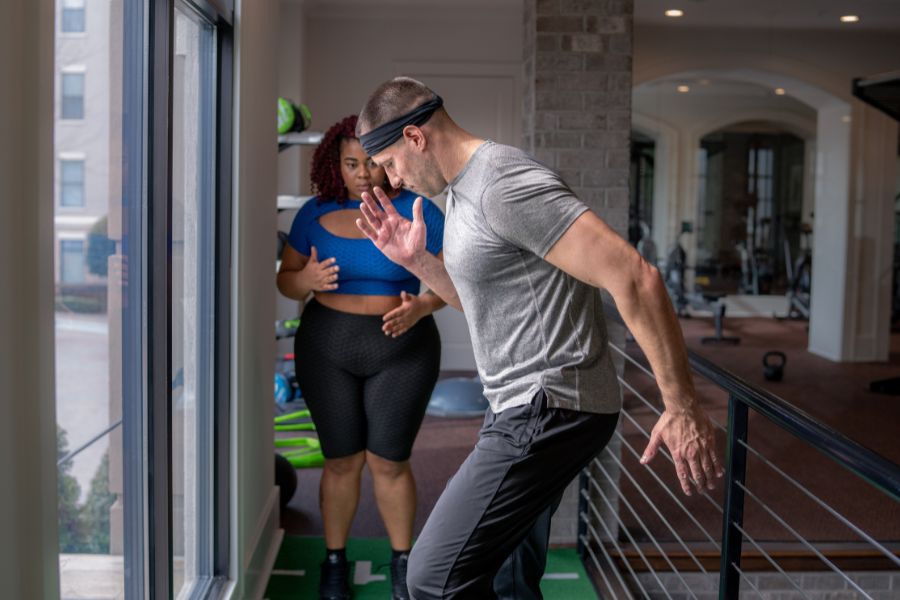
I take creatine monohydrate every single day—5 grams post-workout.
Training clients all day requires consistent energy and strength endurance.
Since adding creatine, my performance stays consistent from morning through evening.
I can still demo heavy lifts late in the day without feeling gassed.
Recovery between sessions improved noticeably.
Joseph Depena, Owner, VP Fitness
What Health Experts Trust Long-Term
What stands out across all eight experts isn’t the size of their supplement stack — it’s how selective they are.
These are professionals who see marketing claims every day, review lab work, track recovery, and witness what actually works in real bodies over time.
The supplements they use aren’t shortcuts or miracle fixes.
They’re tools chosen to support training demands, correct deficiencies, protect joints, preserve energy, and sustain long-term health.
That’s the difference between supplements that sound good on a label and supplements that earn a permanent place in an expert’s own routine.
If there’s one takeaway, it’s this: consistency, quality, and context matter far more than trends.
And when people who make health decisions for a living choose to take something themselves — not just recommend it — it’s worth paying attention.
Next up: 6 Expert-Backed Moves to Regain Your Health and Confidence
Leave a Reply